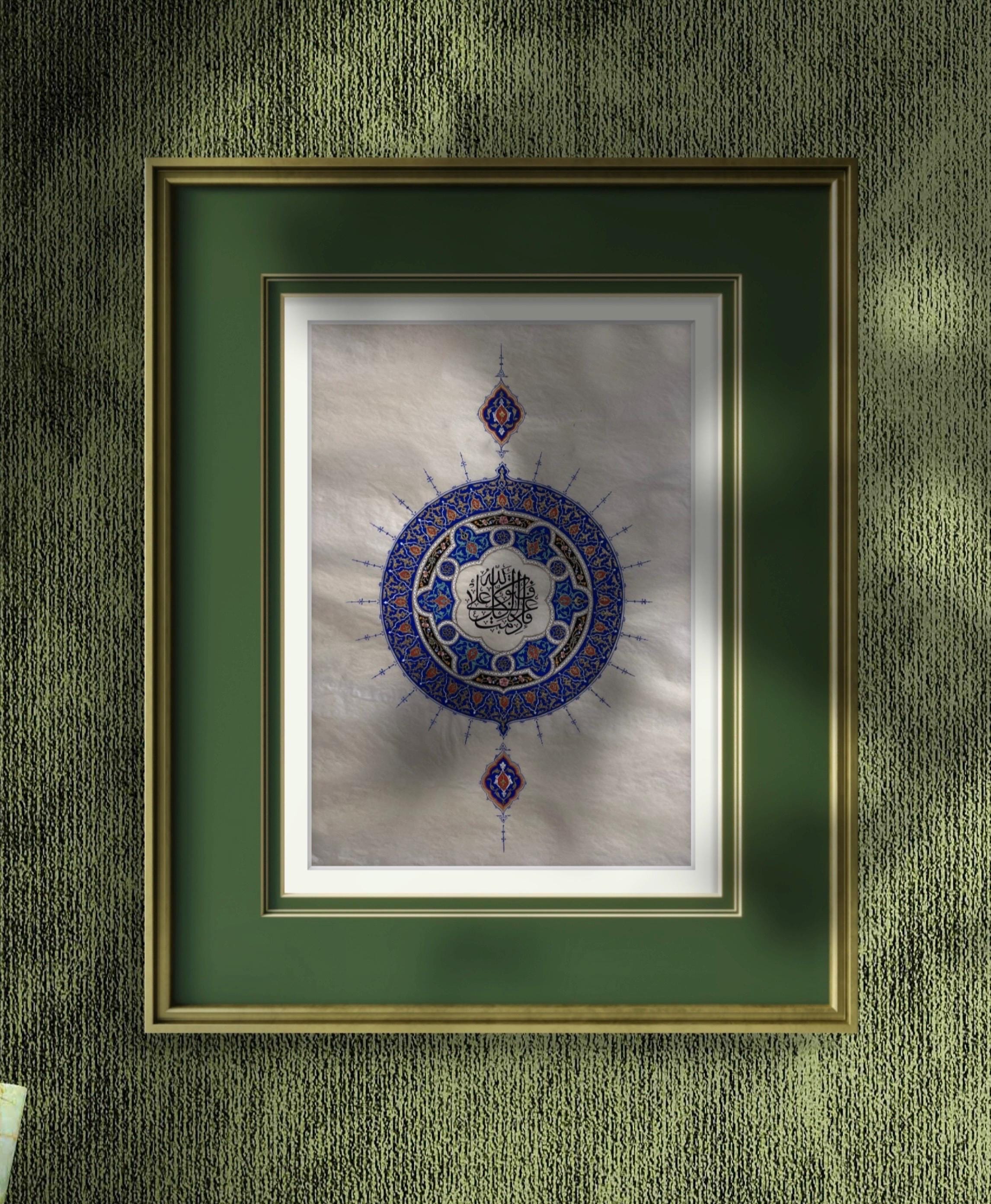
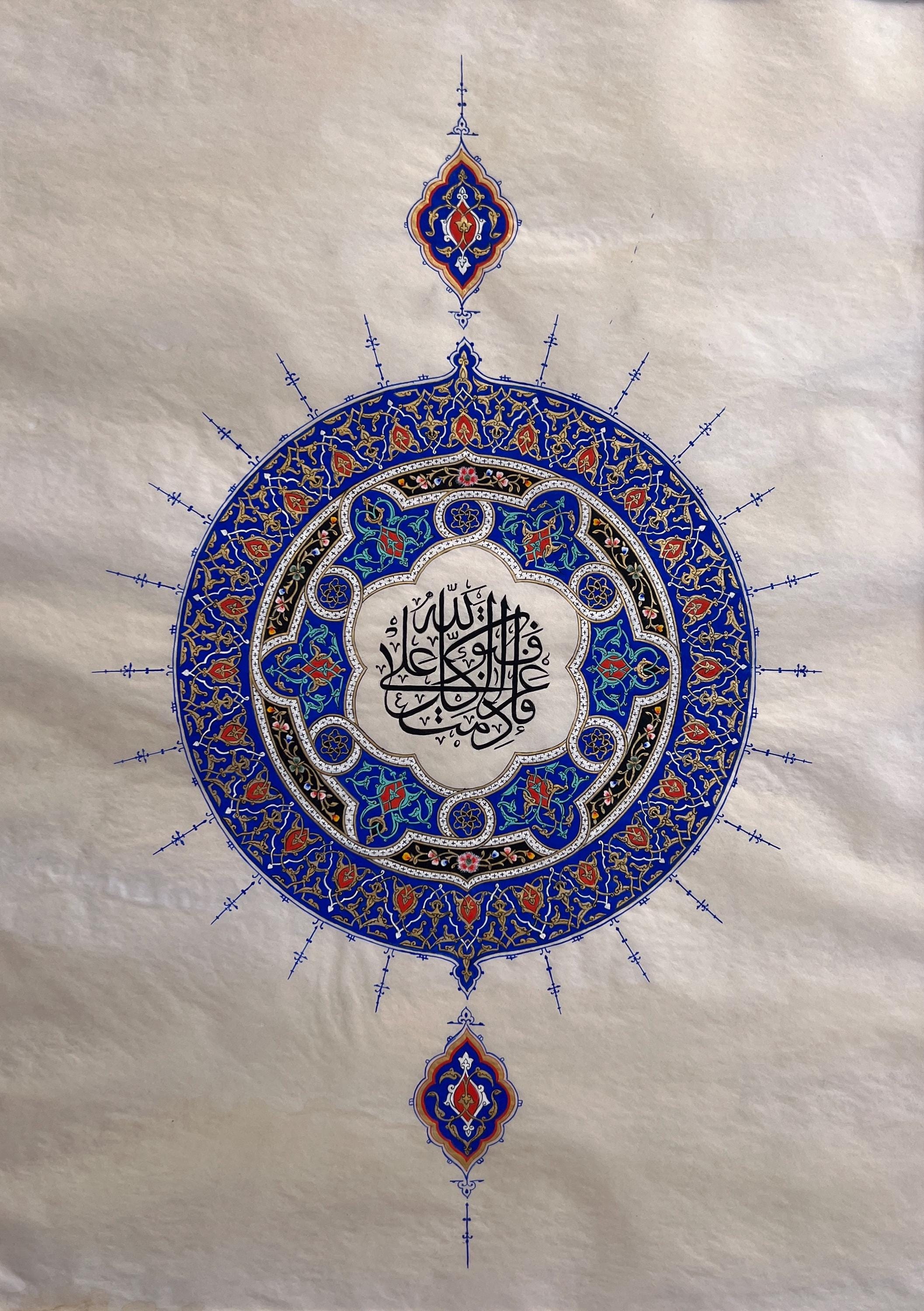
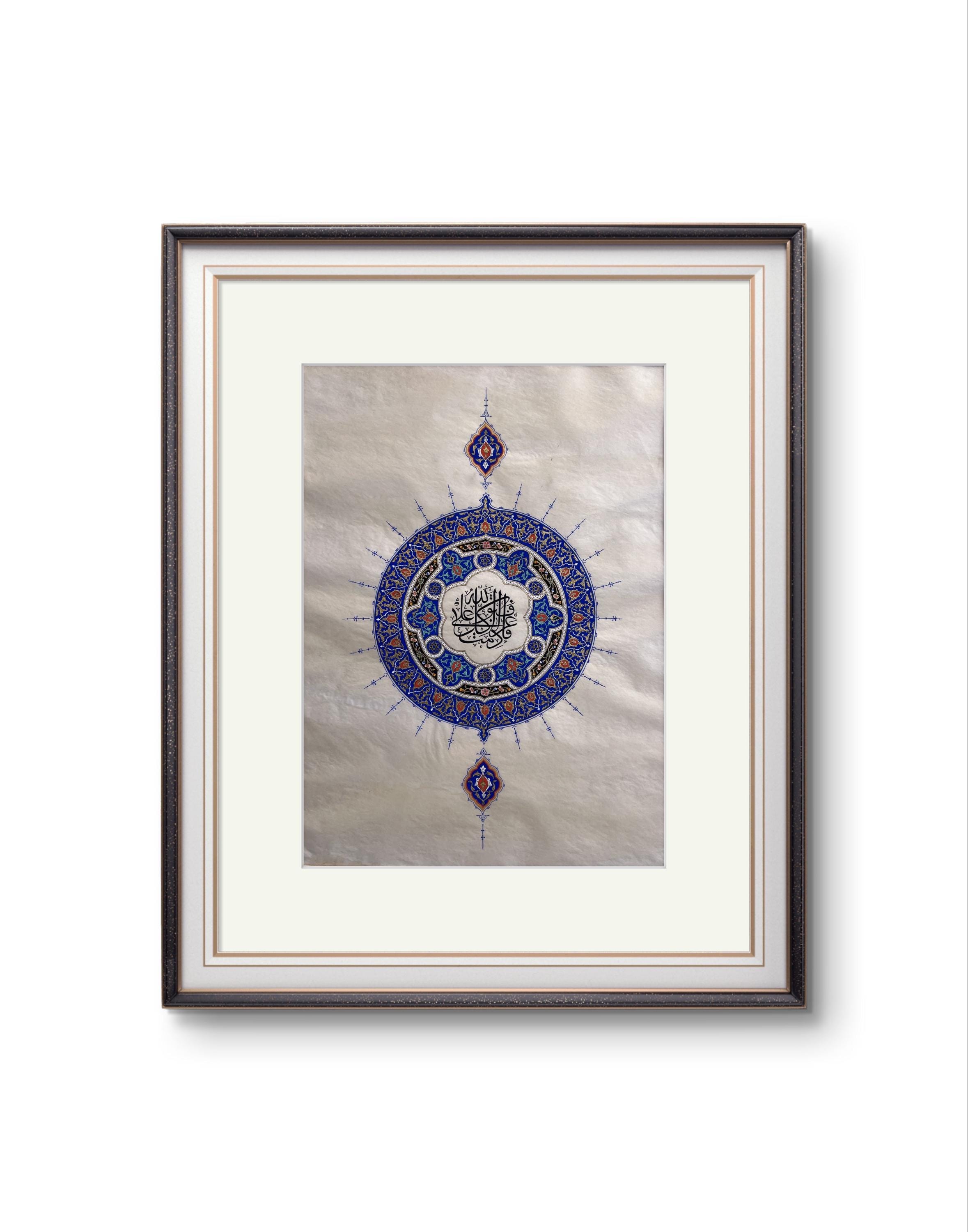
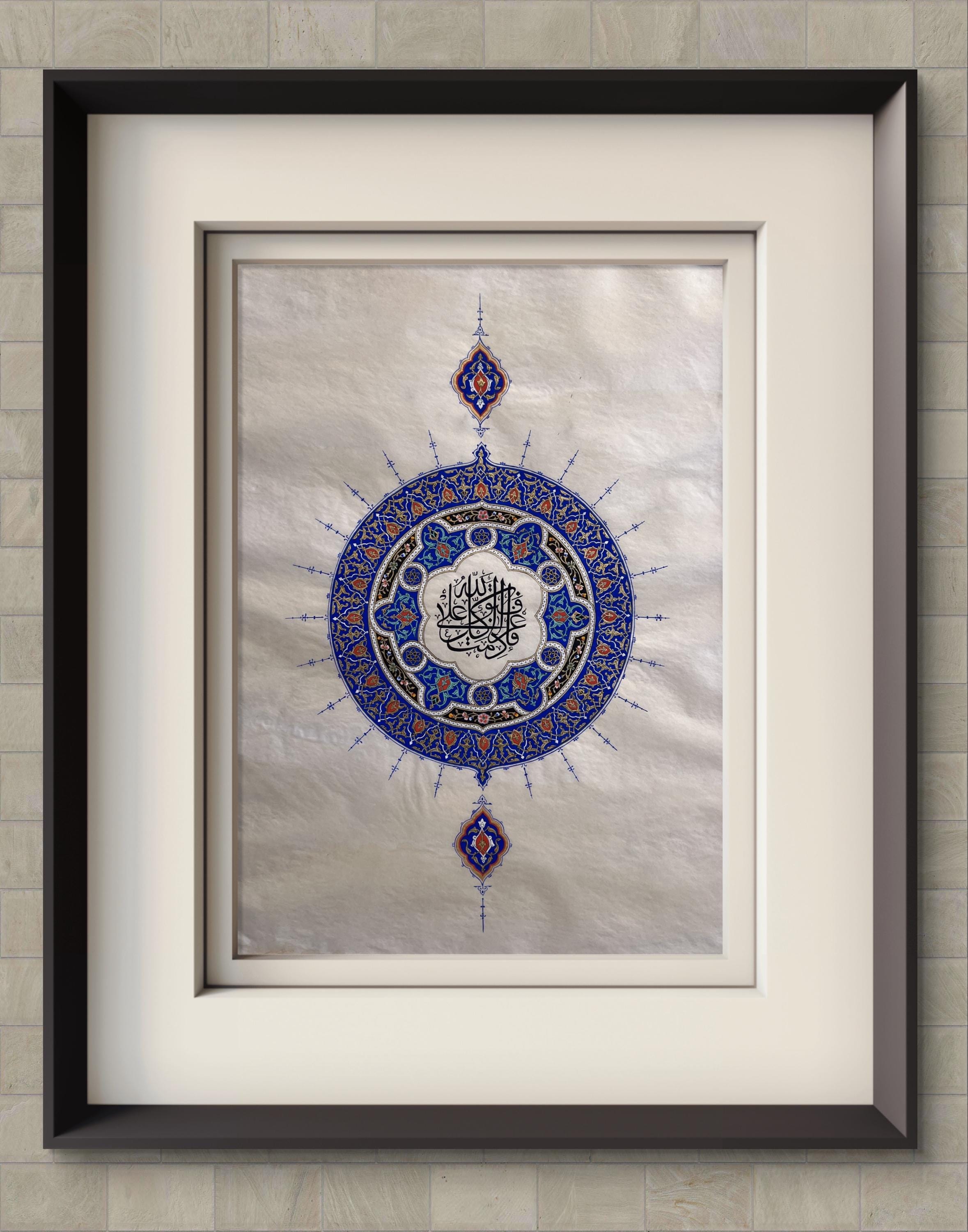
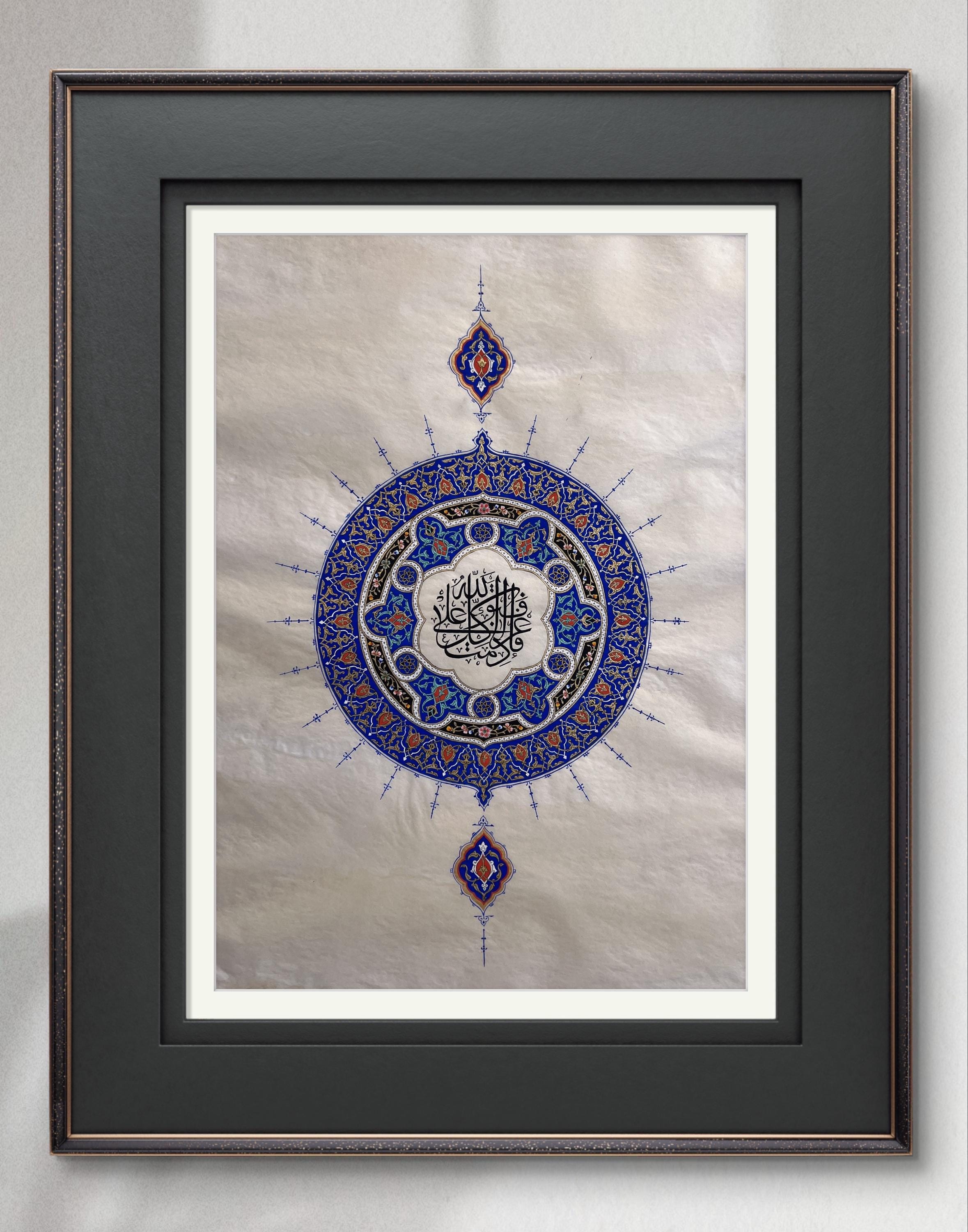
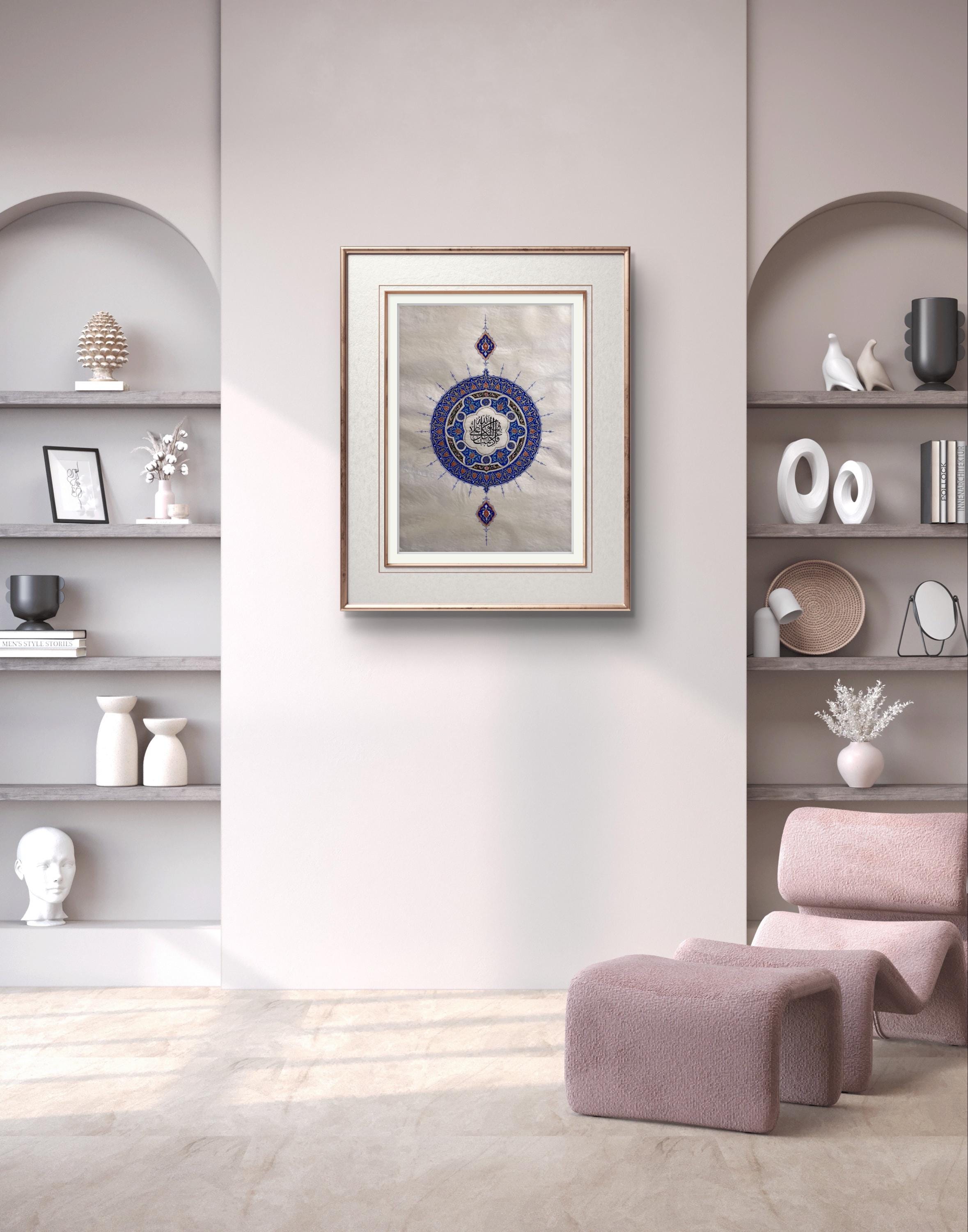
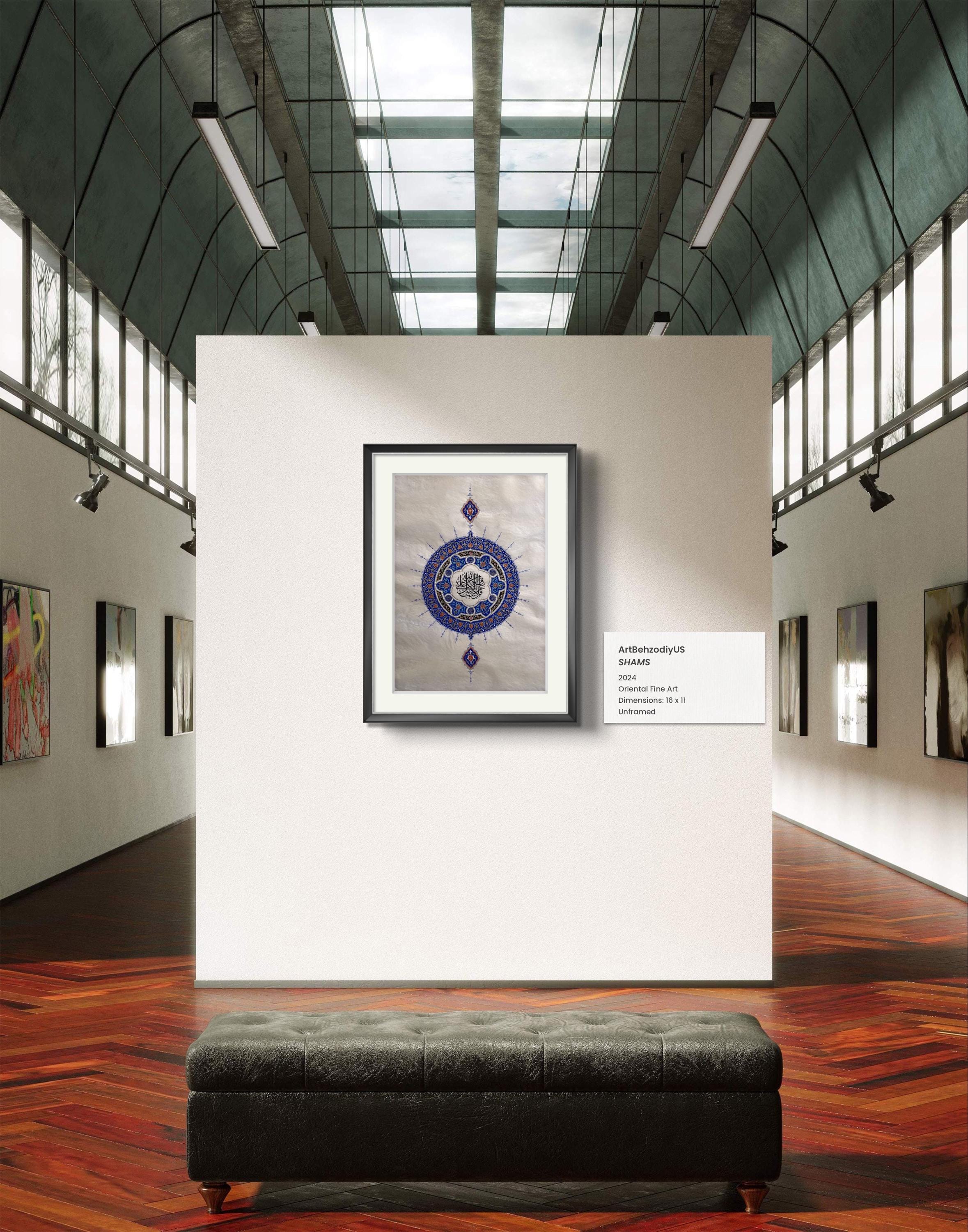
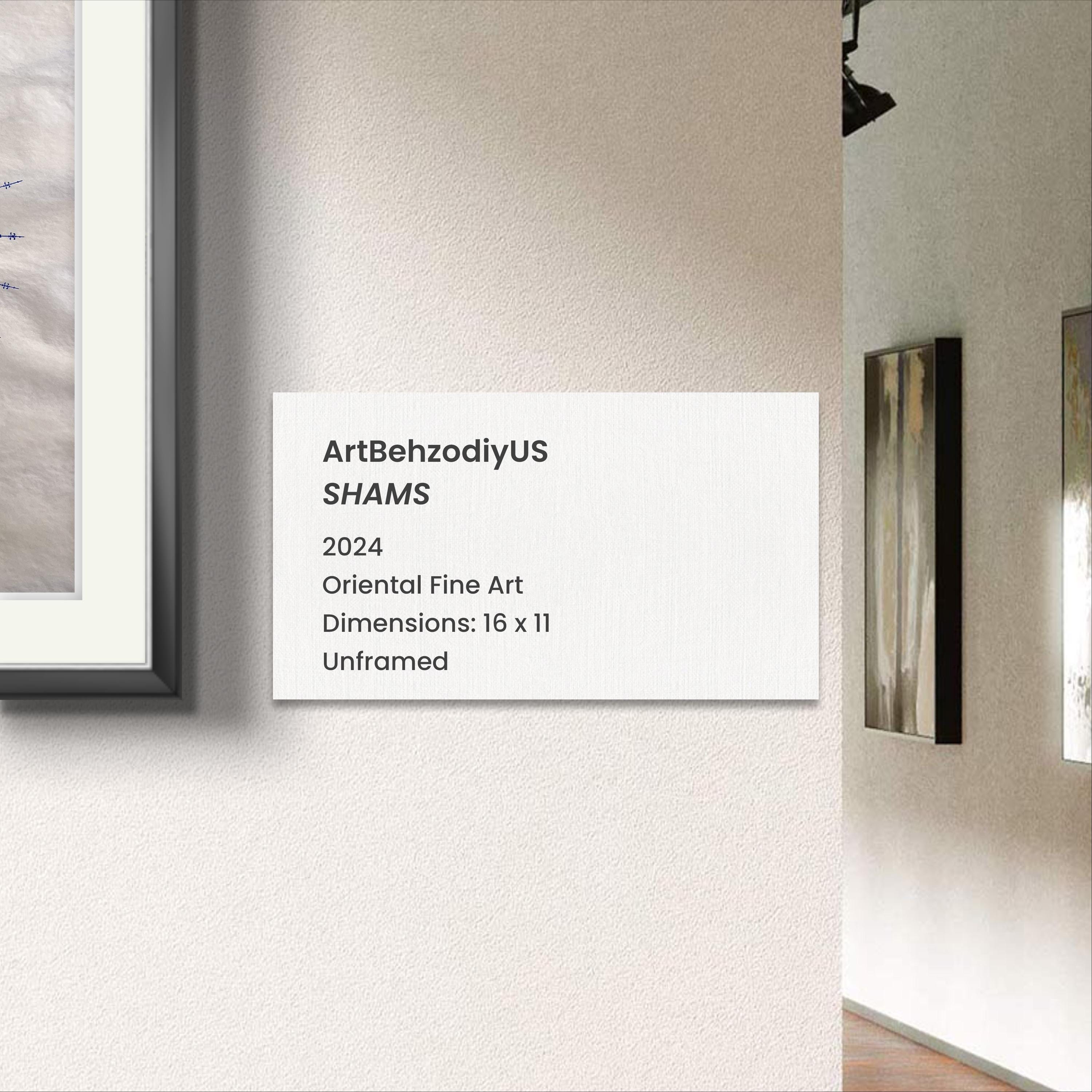
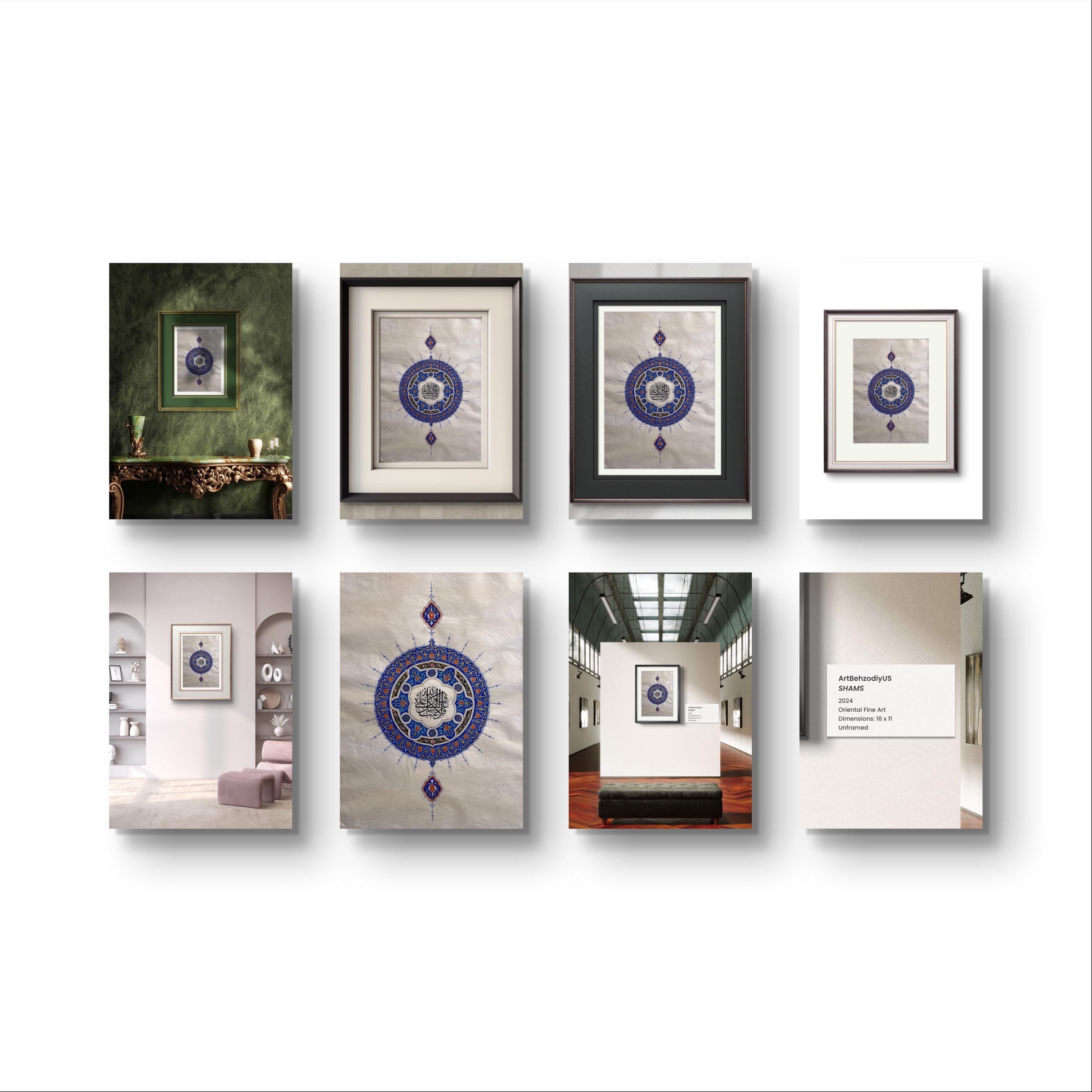
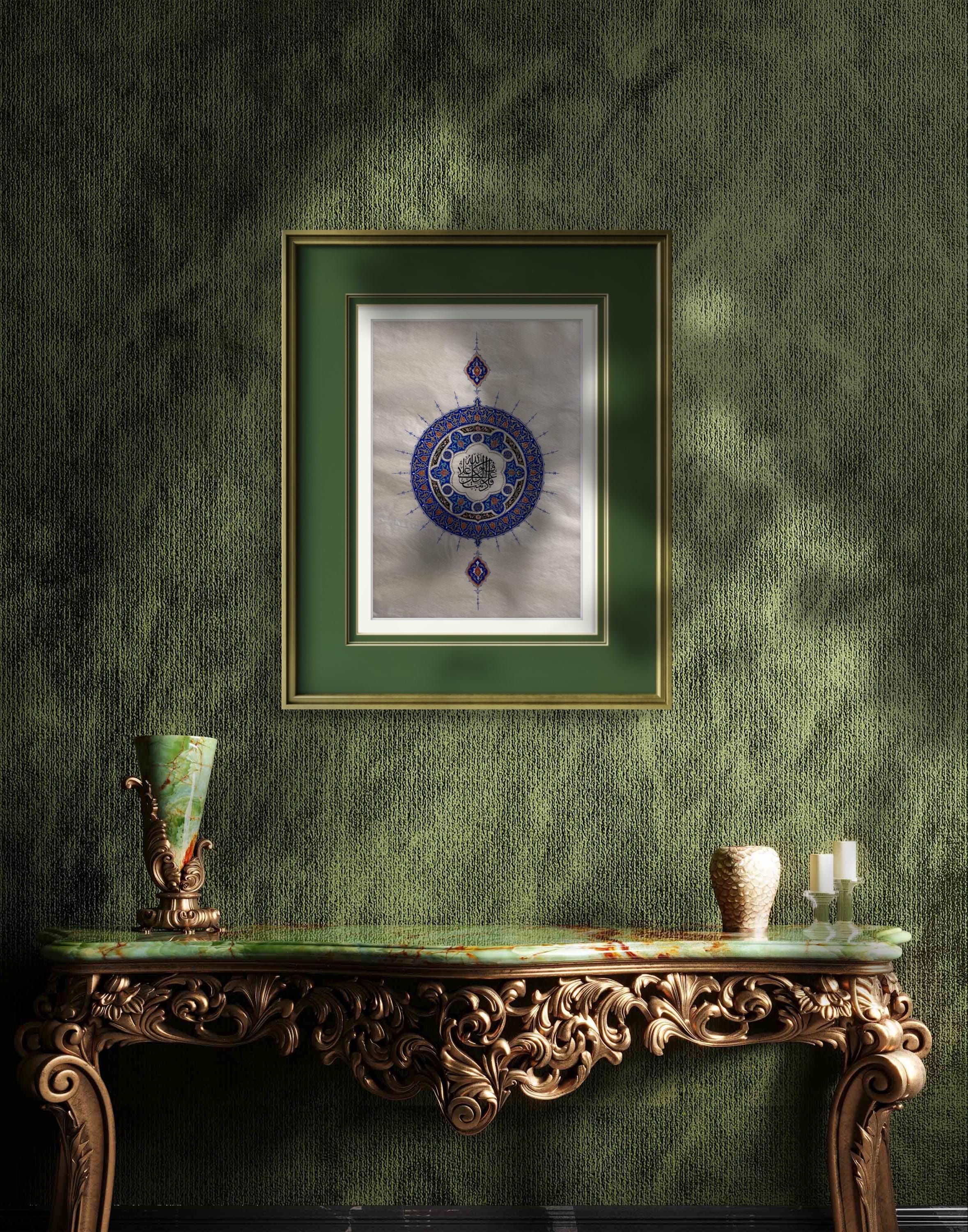
Art Fine Art Ornamental Miniature painting, SHAMS Symbolism of Sun Acrylic painting Fine brush Art piece Arabic Calligraphy, Unframed
$55.00
Details
We gladly accept custom orders for adjustments in color and size, ensuring that the piece perfectly aligns with your unique vision and complements any space.
Art Fine Art Ornamental Miniature painting, SHAMS Symbolism of Sun Acrylic painting Fine brush Art piece Arabic Calligraphy, Central Asian Bukhara UZBEKISTAN.
SHAMS (The Sun) in Islamic Manuscripts and Arabic Calligraphy
SHAMS, the Arabic word for “sun” (شمس), holds profound symbolism in Islamic art, manuscripts, and calligraphy. As a recurring motif, the sun not only embodies the physical source of light but also represents divine enlightenment, wisdom, and spiritual guidance. Its depiction in calligraphic manuscripts and artistic works is deeply rooted in the Islamic worldview, where light symbolizes knowledge and the radiance of the divine.
1. Symbolism of the Sun in Islamic Thought
In Islamic culture, the sun is more than a celestial body; it is a powerful metaphor for divine presence and revelation. The sun is often seen as the ultimate source of life and guidance, drawing parallels with the role of Allah as the provider of light, truth, and sustenance. This symbolism is particularly emphasized in religious texts, such as the Quran. For instance, Surah Ash-Shams (The Sun) begins with an oath on the sun, signifying its importance in the natural and spiritual order:
“By the sun and its brightness, and the moon as it follows it…”
— Surah Ash-Shams 91:1-2
The sun, in this context, becomes a reflection of Allah’s light and an agent through which the divine illuminates the path for human beings. This symbolic power is frequently translated into visual art, especially in illuminated manuscripts and calligraphic works.
2. Representation in Manuscript Art
Islamic manuscripts, particularly Quranic manuscripts and scholarly texts, often feature intricate sun motifs in their illuminated margins and headers. These representations are not merely decorative but are carefully designed to reflect the text’s deeper meanings.
• Radial Geometry: The sun is often stylized using radial symmetry, with rays extending outward in perfect harmony. This reflects the Islamic principle of balance and order in the universe, where everything revolves around the oneness of God (Tawhid). Such designs symbolize the spreading of divine knowledge from a single point, mirroring how the sun’s rays extend across the sky.
• Golden Illumination: The use of gold leaf in manuscripts to depict the sun is another striking feature. Gold, representing divine light, is often applied to the circular central motif of the sun in manuscripts. This radiant gold reflects both the physical brilliance of the sun and the spiritual illumination that comes from divine revelation.
• Floral and Geometric Patterns: Sun motifs are frequently surrounded by arabesque floral designs and complex geometric shapes, emphasizing the unity of creation. These patterns, meticulously crafted, create an infinite loop around the sun, symbolizing the eternal and all-encompassing nature of divine wisdom.
3. The Role of SHAMS in Calligraphy
Arabic calligraphy often integrates the symbolism of the sun in its compositions, especially in works that explore spiritual themes. The calligraphic form itself can mimic the shape of the sun, with circular arrangements of words or the use of thick, flowing lines that radiate outward like sunlight. In such works, the SHAMS motif serves both an artistic and theological function:
• Circular Calligraphy: The sun is sometimes depicted through circular calligraphic forms, with words or verses arranged in concentric circles. This style, seen in Quranic calligraphy, can create a sense of infinite rotation, symbolizing the cyclical nature of the universe and God’s omnipresence.
• Spiritual Light: Calligraphic depictions of the sun often highlight Quranic verses about light and guidance, reinforcing the idea that knowledge and revelation spread like the sun’s rays. One of the most famous verses used in such depictions is from Surah An-Nur (The Light):
“Allah is the Light of the heavens and the earth…”
— Surah An-Nur 24:35
This verse has inspired many artists to use the sun as a central metaphor in calligraphy, linking the radiance of the sun to the divine light that guides believers.
4. Cultural and Historical Context
Historically, Islamic manuscripts that incorporated sun motifs were often produced in royal courts and centers of learning. The use of SHAMS in illuminated manuscripts flourished during the Abbasid, Ottoman, and Safavid periods, where artists and scholars sought to convey both intellectual and spiritual enlightenment through their works.
• Abbasid Period (750-1258 CE): During this time, the golden age of Islamic science and philosophy, manuscripts often depicted the sun to symbolize intellectual illumination. Many scientific texts, such as astronomical treatises, used sun motifs to illustrate the interconnectedness of the heavens and divine knowledge.
• Ottoman and Safavid Periods (14th-18th Century): In these periods, manuscript illumination reached new heights of sophistication. The sun was frequently used in Quranic manuscripts, poetry collections, and philosophical works. Artists combined calligraphy with miniature paintings, using the sun to signify the divine source of inspiration and creativity.
5. Modern Interpretations
Today, artists and calligraphers continue to draw on the rich symbolism of SHAMS in their works. Modern interpretations often blend traditional Islamic motifs with contemporary styles, using the sun as a metaphor for spiritual enlightenment, cultural heritage, and the ongoing pursuit of knowledge. In digital art and modern calligraphy, the sun motif remains a powerful tool for visual storytelling, representing both the past and future of Islamic art.
In Conclusion, SHAMS, as a symbol of the sun, occupies a central place in Islamic manuscripts and calligraphy. Its radiant presence symbolizes the spread of divine knowledge, the guiding light of faith, and the harmony of the universe. Whether depicted through intricate geometric patterns or in flowing Arabic calligraphy, the sun remains a timeless symbol of spiritual and intellectual illumination in the Islamic world.